This is a question I get asked quite a lot, and I wanted to share my answer with you guys here..
I have tried a few VPN’s, some good and some bad, but for me the best on the market is the ExpressVPN.
When traveling around Malawi and having your Facebook account blocked, because of your location, or having no access to Facebook, Whatsapp, Instagram, Snapchat and many others work related apps in Iran or China, it’s super important for me to have a good and reliable VPN that sets me up quickly in a new location, so I can be online whereever I am. And do whatever I want to do.
My personal opinion is to use the ExpressVPN, and I can only recommend for you to try the free trial version first for one week and see how it works. You can get it by clicking here!
If you’re happy with the ExpressVPN, you can just thank me later.
4: I can name every country in the world from looking at an empty map, and I know almost every capital/country flag
5: I climbed Africa’s highest mountain Mount Kilimanjaro by the age of 22. (Wanna join my trip this year?)
6: I’m an introvert
7: I like solo traveling and some of my best adventures have been from doing that
8: I’ve been to every single country in Europe (Most of them +2 times)
9: I have a Type A personality
10: I check football news daily
11: I have an explorer mindset and want to see, try and understand as much as possible
12: I’m a minimalist
13: I’ve taken more than 400 flights
14: I have perfume, grass and dust allergy and often have irritated eyes
15: I debuted in the 2nd best Danish football league when I just turned 17
16: I’ve worn different bracelets on my right wrist for 10 years straight with no days off
17: I write with my left hand and throw with my right hand
18: I have a 4 year bachelor-degree as a Sport and English Teacher from the University College Capital, Copenhagen, Denmark
19: I love freedom and I think the things you own end up owning you
20: I’ve done entrepreneurship for 4 years now (as a publisher, e-commerce, investment, social media marketing) and now travel blogging!
21: I didn’t had any sponsorships for visiting my first 100 countries. All through hard work
22: I’ve spend more than 7 months in total in Tanzania 🐘
23: I prefer tea over coffee
24: I worked my butt off with troubled kids in Denmark in the beginning to afford to travel. 60-80 hours work weeks. (Still take a few shifts when I’m home, because I really enjoy working with kids)
25: I like trying bizarre food
26: I’ve bungee jumped, sky dived and done bridge jumping (26 meters jump in Mostar, Bosnia where you hit the water)
27: I almost never watch TV unless it’s sports
28: I’ve been a Real Madrid fan since 5 years old and try to watch all their matches wherever I am
29: I love music. Afro Pop is my favourite, but I like Hip-Hop, Bongo Flavour, R&B, Pop, Electronic too
30: I’ve slept overnight in 5 airports
31: My favourite animal is a cat
32: I don’t like negative or complaining people
Want to know more about me? Read here. Or contact me!
I believe that everyone should try solo travel at least once. It builds your confidence, shows you what you’re capable of, improves your social skills, gives you time and space to think, and helps you learn more about what you like and need in life.
2. Eat the local food
Food is one of my absolute favorite ways to get to know a place better. I love trying new things, and I’ve found a thousand amazing dishes that I never would have discovered if I’d stick to the normal stuff from the supermarket. Trying new food isn’t scary, and you’ll build your confidence up as you fall in love with more and more things. Try everything, even if you have no idea what it is. I promise you won’t regret it.
Some of the most interesting foods I tried were balut (a developing duck embryo) in the Philippines, living mopane worms in Zimbabwe, snake blood in Vietnam or tuna eyeballs in Japan (that one was a bit creepy!)
3. Plan as little as possible
One of the first lessons I learned on the road was that your plans will nearly always change. I still make the mistake sometimes by booking multiple flight tickets and trying to plan my trip from home, but it’s honestly better to just go with the flow.
Sure, you should have a rough plan for your trip, but don’t book everything in advance or you’ll likely feel too restricted and end up regretting it. Book a one-way ticket and your first few nights of accommodation — you’ll figure the rest out along the way. It’s not as intimidating as it sounds. If you’re in a tourist destination there’ll always be someone who’s willing to take your money by giving you a place to stay.
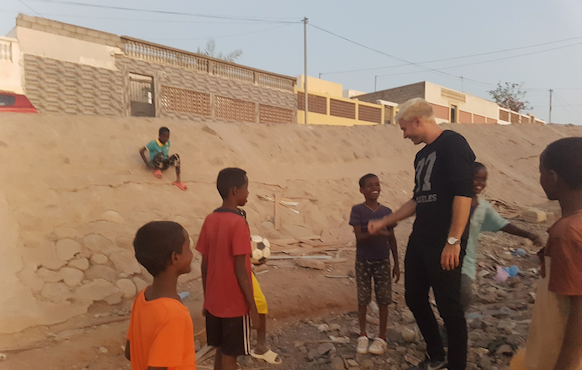
An improvised day in the surburbs of Djibouti, Djibouti
4. Travel insurance is everything
Seriously. If you do only one thing before you leave, make it getting travel insurance. I’ve heard far too many horror stories of travellers injuring themselves in remote places and ending up in hundreds of thousands of dollars worth of debt. Don’t think that it won’t happen to you, because you know those travellers they thought that, too.
5. Keep everything important in your daypack
I have had lost luggage before and had my big backpack ripped open in Barcelona one time on a bus trip. I’ve also been on dodgy buses in Africa where we’ve arrived at our destination and people have had valuables stolen from their backpack by someone hiding out in the luggage hold while we were transit.
If there’s anything I’d be upset to lose, I keep it in my daypack, which is always by my side on travel days. For me, that’s my passport, laptop, camera, external hard drive, a debit card, and some spare cash. As long as I have all of those, I can survive indefinitely. I use the Anti-Theft Secured Affinity USB Daypack.
The good thing about the Affinity USB Daypack is I can put it inside of my Osprey Fairpoint 40 Liter Backpack, which is the the best travel backpack in the World, according to travelandleisure.com.
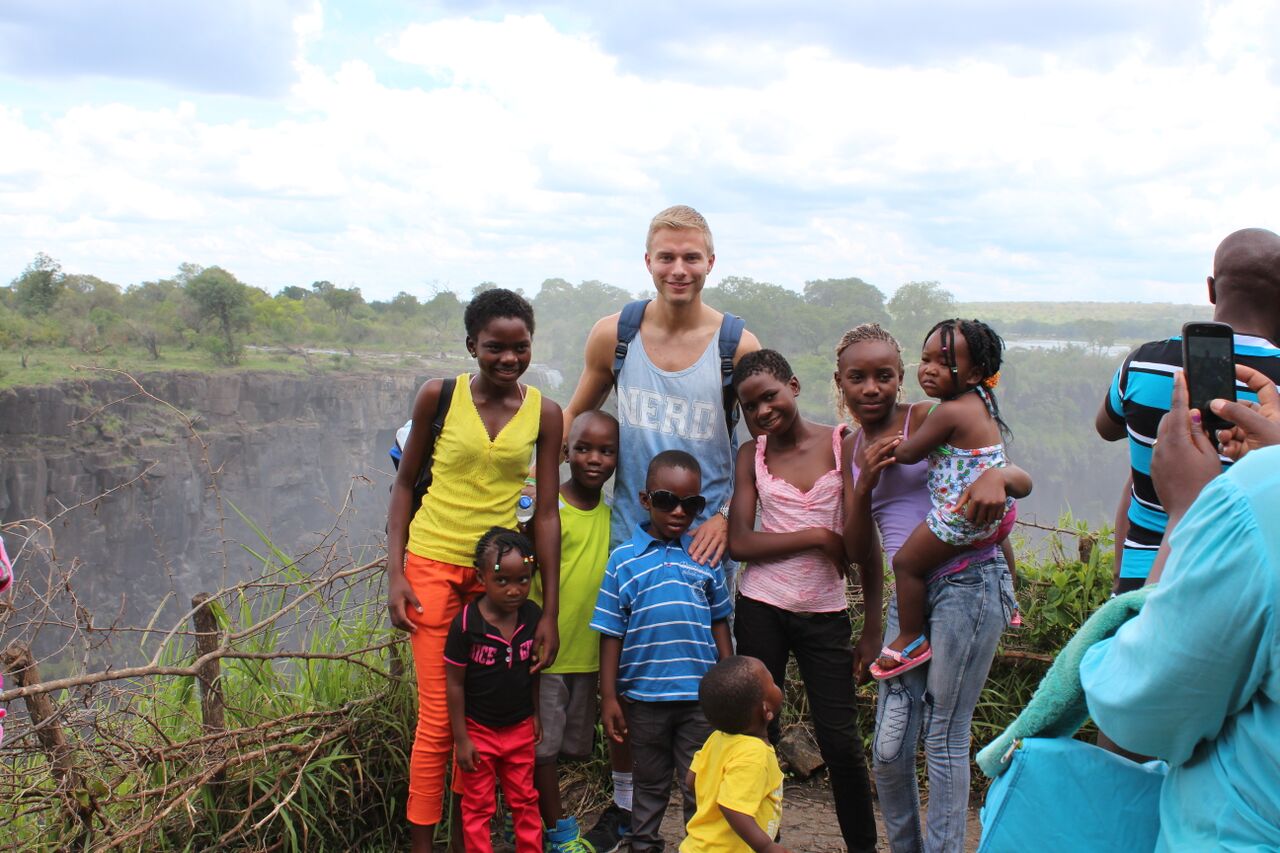
In Victoria Falls in Zimbabwe
7. Take more photos of yourself
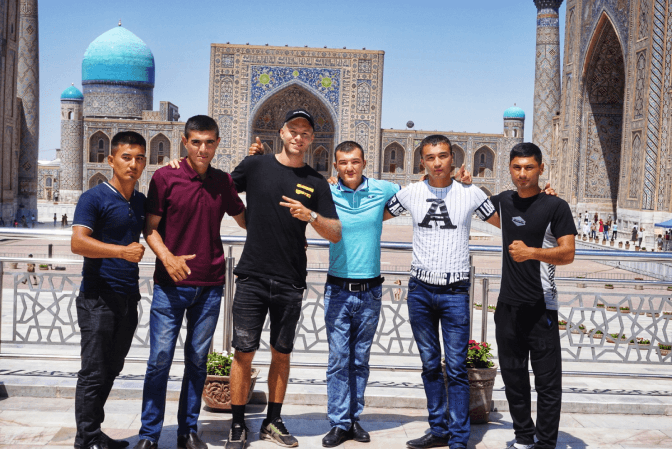
I talked to one guy in Tbilisi, Georgia 2 years go from Uzbekistan and he told me: “Don’t be so shy. Go and ask for a picture” with some Georgian people in traditional clothing. There have been so many times when I’ve been too shy to ask someone to take my photo in a place and I’ve almost always regretted it. Photos of the beautiful places you visit are great and all, but when you get home, they’re not all that different to the ones everyone else has taken there, too. Photos with you in them are special and they’ll come to mean a lot more. I recommend the Sony A6000 with 24.3 Megapixels. To compare my IPhone X has a 12-megapixel camera. The Sony A6000 is a compact camera and doesn’t take too much space. It takes BANGER photos!
Or maybe I’m just a narcissistic millennial. Who knows?!
8. Learn a few words of the language in every country you visit
You’ll gain more respect from the locals if you can at least say hello, please, sorry, and thank you. It can be a cool ice breaker, which can lead to new adventures. On the note, remember: if you don’t speak the language, it’s your problem, not theirs. And please don’t start speaking louder to make yourself understood. Try miming instead, or using a translation app on your phone. Google Translate is a life saver!
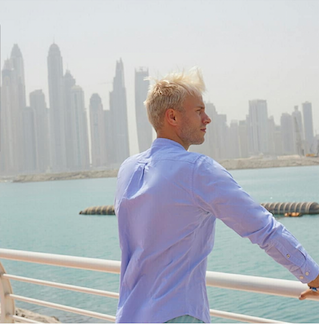
Salaam! Views of the marina in Dubai, Abu Dhabi
9. Bring several debit and credit cards with you
I always bring at least 3. Sometimes your bank will block your card, sometimes your card won’t work in an ATM, and sometimes you could even lose it or have it stolen. Bring at least three debit/credit cards with you that are all linked to different accounts (with money in them!) Keep one in your backpack, one in your daypack, and one on your person. I need to practise this even more myself, because it’s so stupid and risky to keep them all in the same place, especially if you’re traveling in Africa or South America. Don’t do that!
10. And a stash of emergency cash
I carry a spare 300 USD that’s split up in various places in my backpack, daypack, and occasionally, my shoe when there’s a chance I might get robbed. Like when I went walking around to the slums in Cape Town, South Africa myself. It means that in a worst case scenario, I can pay for some food, a dorm bed, and a call to my family to get an emergency wire transfer until I can get back on my feet again. I go with U.S. dollars because it’s the most widely accepted currency around the world and easy to change.
I’m the living proof of that! I expect the worst, but hope for the best. Expecting everything to go perfectly on your trip is only setting yourself up to fail. Nobody goes traveling and comes back without any stories of mishaps! No matter how prepared you are, at some point you’re going to get lost, get scammed, miss your bus, get food poisoning, injure yourself… the list is endless! I was really mad, when a guide stole my Rayban Sunglasses in Zanzibar, Tanzania, because I kind of expected to have the best time there, relaxing on the beach. Expect bad stuff to happen, and don’t beat yourself up when it does. In a month’s time, you’ll find it funny rather than frustrating.
12. And don’t lose your temper when it does
It achieves absolutely nothing and makes you look like an assh*le. I was taught that the hard way, when I got pissed off at the border from Uganda to Rwanda (I was exhausted and treated unfairly – but that’s another story), in fact they rejected me to enter Rwanda and I had to take a horrible bus 15 hours back to Uganda’s capital Kampala to grab another flight back to Tanzania, where I was at that time.
Instead, calm down, put a smile on your face, think of how this will make a great story one day, and rationally figure out an alternative plan. This too shall pass. Caaalm down, Gustav!
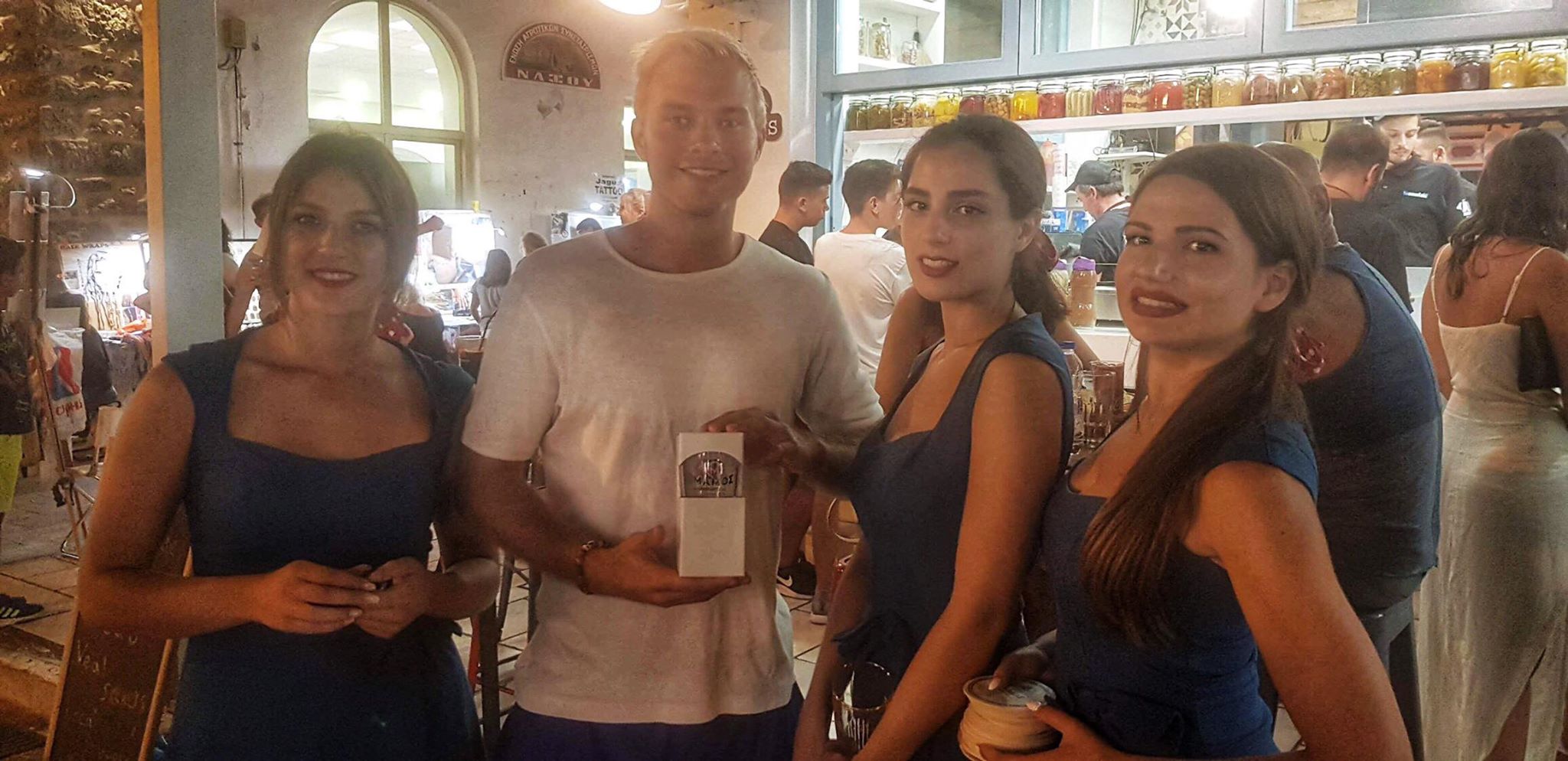
Chilling out in Naxos, Greece
13. Visit the touristy stuff in a city
The main tourist attractions are popular for a reason. While getting off the beaten track can be fun, the things you’ll see are rarely as impressive as the popular sights. Don’t be a travel snob — hit up the famous stops as well as the lesser-visited stuff. Going to random places normally just shows you that they aren’t well known for a reason. That being said freestyling is fun, and I enjoy doing that too exploring other cultures, but sometimes there are reasons why tourists haven’t ventured to some tiny village before: Maybe there was nothing to do. I personally wouldn’t go to Paris for the first time without seeing The Eiffel Tower. Maybe that’s just me? I bet not.
Advise from the person who lost a looot of stuff while traveling.
Checking out is when you’re most likely to lose something. CONFIRMED! Whenever I check out of a place, I now check the bathroom, I check under the beds, I check the desks, and then I make sure I have my passport, laptop, camera, money, phone, and external hard drive + Powerbank. (Forgot 5 of these at least!)
My favourite Power bank is by far ‘The Anker PowerCore’ with 20100mAh and I always go with this one. I’ll be fine if I leave anything else behind. Having a routine that you go through every single time will help you keep track of everything. I learned my lesson when I lost my newly (expensive) bought microphone for my IPhone in Marina Bay Sands, Singapore back in 2016, or when I forgot my passport in Surfers Paradise in Australia and some random Australian dude came running with it 5 minutes before I was moving on with the bus, asking “ay mate, is that yours?”. Talk about being lucky!
At that time I had only 1 passport, now I fortunately have 2!
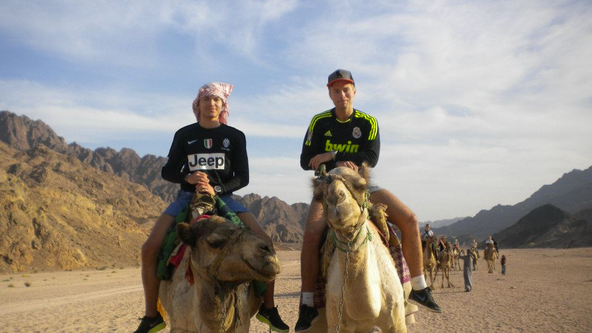
6 years ago in Egypt wearing my fake Real Madrid shirt. (6$ bargain in Sharm el Sheikh!)
15. If you’re not sure if you should bring it, don’t
The lighter your backpack, the better. If in doubt, leave it behind. Trust me, you can buy pretty much anything you could possibly need in most places around the world. You’ll soon learn that all you need when you travel is a change of clothes, some money, and a passport. Everything else is adding to your comfort. Furthermore you’re able to fly very cheap to many destinations with small luggage!
16. Travel in shoulder season to save money and avoid the crowds
Shoulder season is my favourite time to travel. The weather is usually mildest, everything is more affordable than in high season, and there are fewer people visiting, too.
Even in low season in Eastern Asia you will meet plenty other tourists, like here in Ho Chi Minh, Vietnam
17. Use a VPN
You’ll be connecting to a whole range of unsecured Wi-Fi networks on your trip, so you need to a use a VPN to protect yourself from hackers, malware, and all that good stuff. It’ll also allow you to change your location so you can watch your favourite TV shows online! I use ExpressVPN, which is 99 bucks a year. When my social media platforms literally shut down in Malawi, I realized it was a good idea to set up a VPN.
18. Leaving your comfort zone is the best thing you can do for yourself
I cite leaving my comfort zone as the number one way in which travel has helped me. It was leaving my comfort zone that gave me confidence in my abilities as a traveller. It helped me to overcome anxious situations and it introduced me to new experiences — most of which I unexpectedly loved!
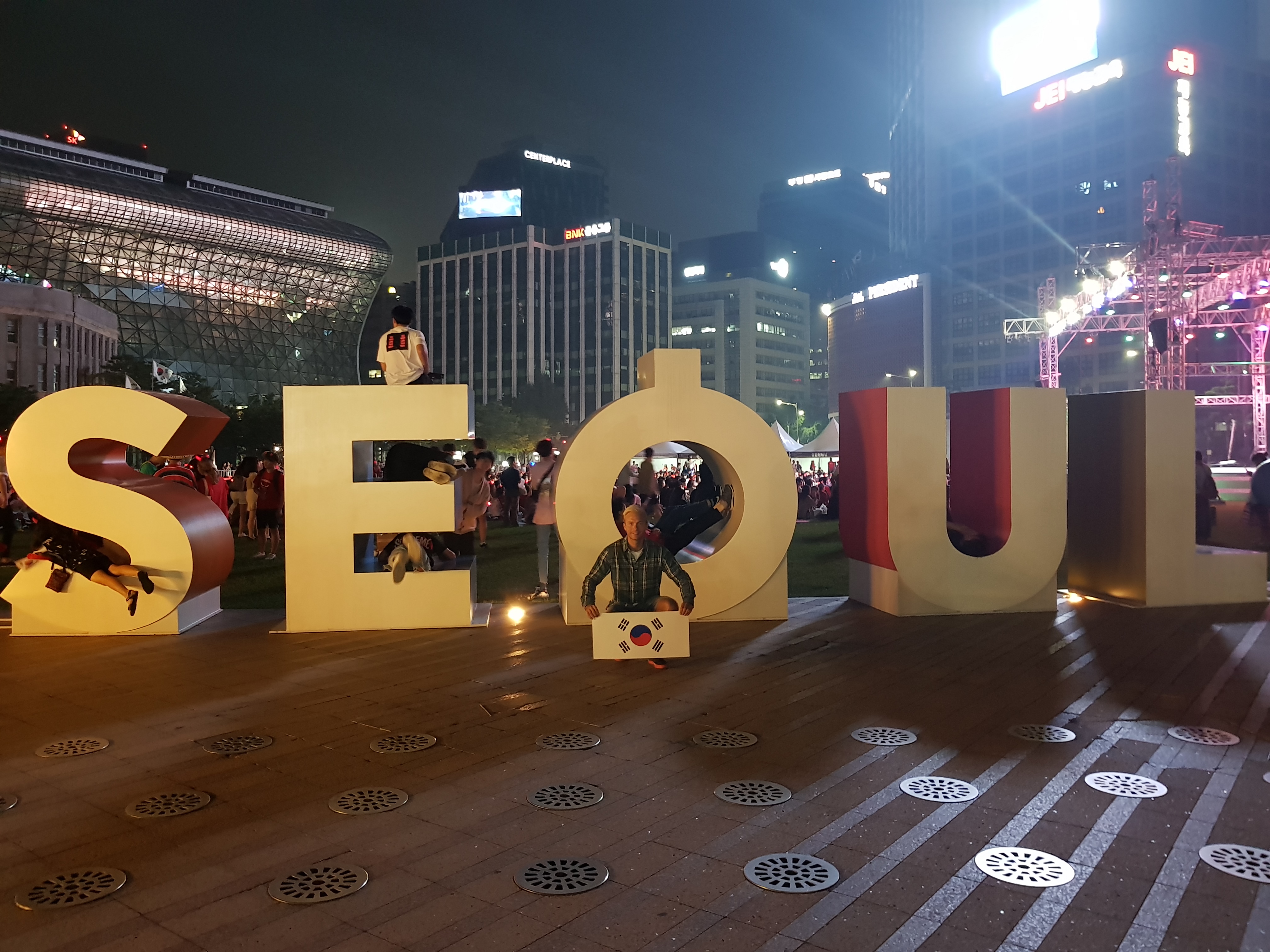
During the World Cup 2018 in Seoul, South Korea. Flag is the opposite way, but whatever! Fun times!
19. Don’t change your currency at the airport
That’s where you’ll get the worst exchange rates.
20. If there’s no internet, embrace it
Play a card game with someone in the hostel common room, read a book, lay on the beach, go for a walk or go swimming, talk to a stranger, think about life. Some of my favourite travel memories are from times when I didn’t have an internet connection to suck me out of the moment.
On my 7th visit to Italy and 4th in Milan, I thought it was the right time to tell you the 5 best things to do in Milan. Milan is one of the coolest cities in Italy and have a lot of cool places to see.
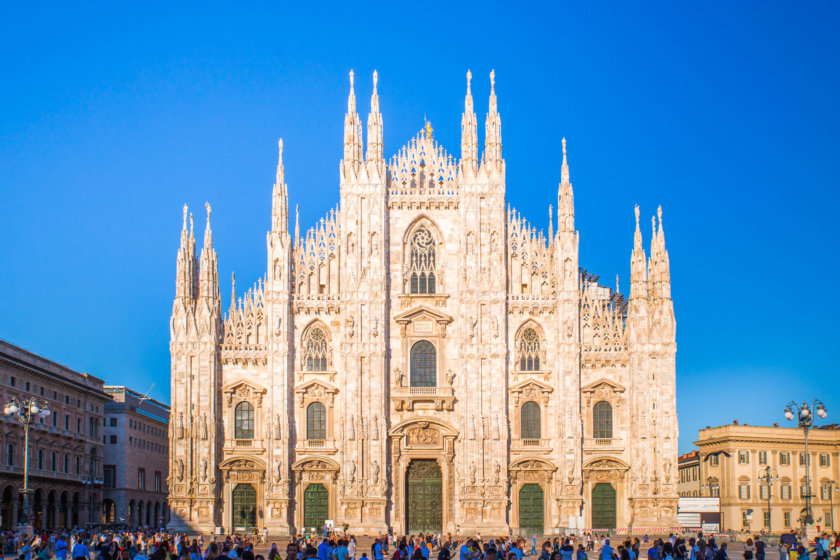
1. Milan Cathedral (“Duomo di Milano” in Italian)
Duomo di Milano
What to do in Milan? There is no way a visit to Milan could be complete without visiting the “Duomo”.
The central cathedral of Milan is the seat of the Archbishop and dedicated to St. Mary of the Nativity. I go here everytime I’m in Milano. It’s the largest church in Italy (considering St. Peter’s church is located within the Vatican State) and probably the prettiest as well. In the Summer time you’ll see plenty of pigeons flying around in front of it and can even hold them if you dare. Pro tip: Calculate quite some waiting time to get inside of the Duomo, as there are tight security checks.
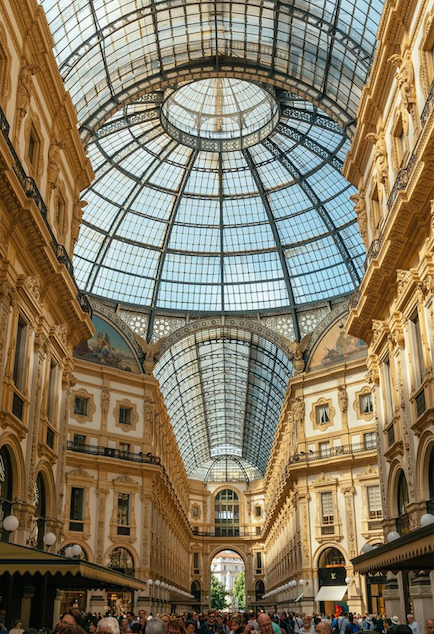
2. Galleria Vittorio Emanuele II
The Galleria Vittorio Emanuele II
You probably can’t say Milano without mentioning fashion in the same sentence. There’s no better place to start your shopping tour through Milan than the beyond impressive Galleria Vittorio Emanuele II, which will fascinate you for sure! Btw its location is right next to Milan Cathedral, so you won’t have to walk too many seconds to get there.
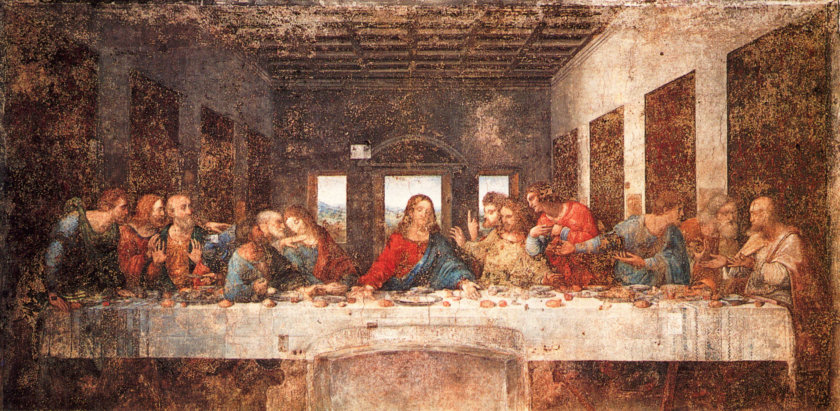
3. Last Supper / Santa Maria della Grazie
Leonardo da Vinci’s “Last Supper”
If you know Leonardo da Vinci, you probably know that the city of Milan has dedicated him a huge museum: the Museo nazionale della Scienza e della Tecnologia Leonardo Da Vinci (Museum of Science and Technology Leonardo Da Vinci). It’s one of Milan best tourist attraction and has the huge “Last Supper” picture. Pro tip: In order to avoid waiting at the entrance of the museum, you should book your tickets online. It’s what I always do when I travel, and it saved me countless hours of waiting in line in Milan!
4. La Scala de Milan
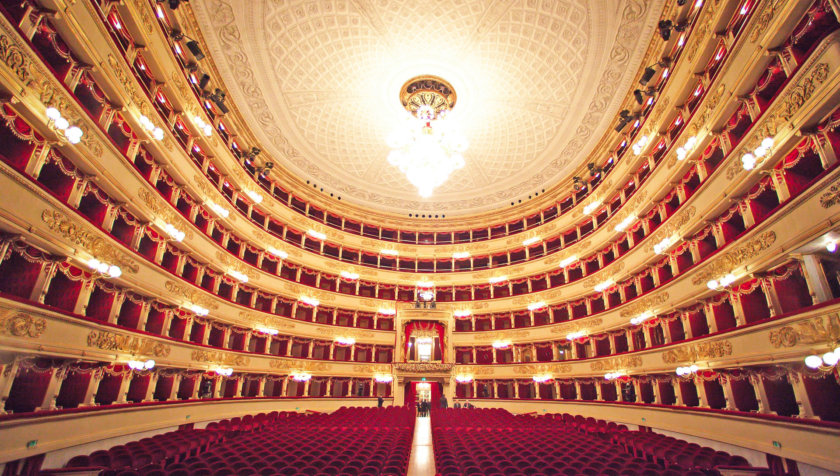
La Scala, Milan Opera House
Leaving from the Piazza del Duomo, following along the Galleria Vittorio Emanuele, you will arrive directly on Piazza della Scala. As the name suggests, it’s where La Scala, the famous Milan Opera house is located.
Along with the San Carlo Theater in Naples and the Fenice in Venice, it’s one of Italy’s 3 most prestigious operas. I had the opportunity to see the interior, and it’s world famous for being sumptuous. So you should really go if you can!
5. Navigli canals
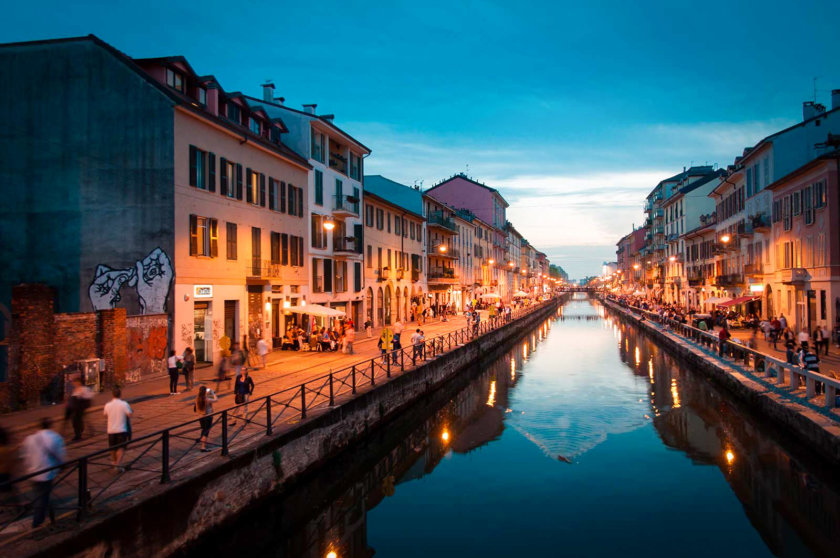
Navigli District in Milan
Another place you shouldn’t miss in Milan is the Navigli district, crossed by canals. It’s the most picturesque of Milan!
You can go to the Navigli district, walk quietly along the canals and enjoy a drink or a meal on one of the restaurant terraces. You’ll have such a good time!
The best is to go there at the end of the day, with the light of the setting sun. It’s a very romantic neighborhood, so if you have a girlfriend you should take her there for sure 😉 It’s especially nice in the evening with the lights reflecting in the canals and the local life starting in the numerous bars and restaurants.
Other places
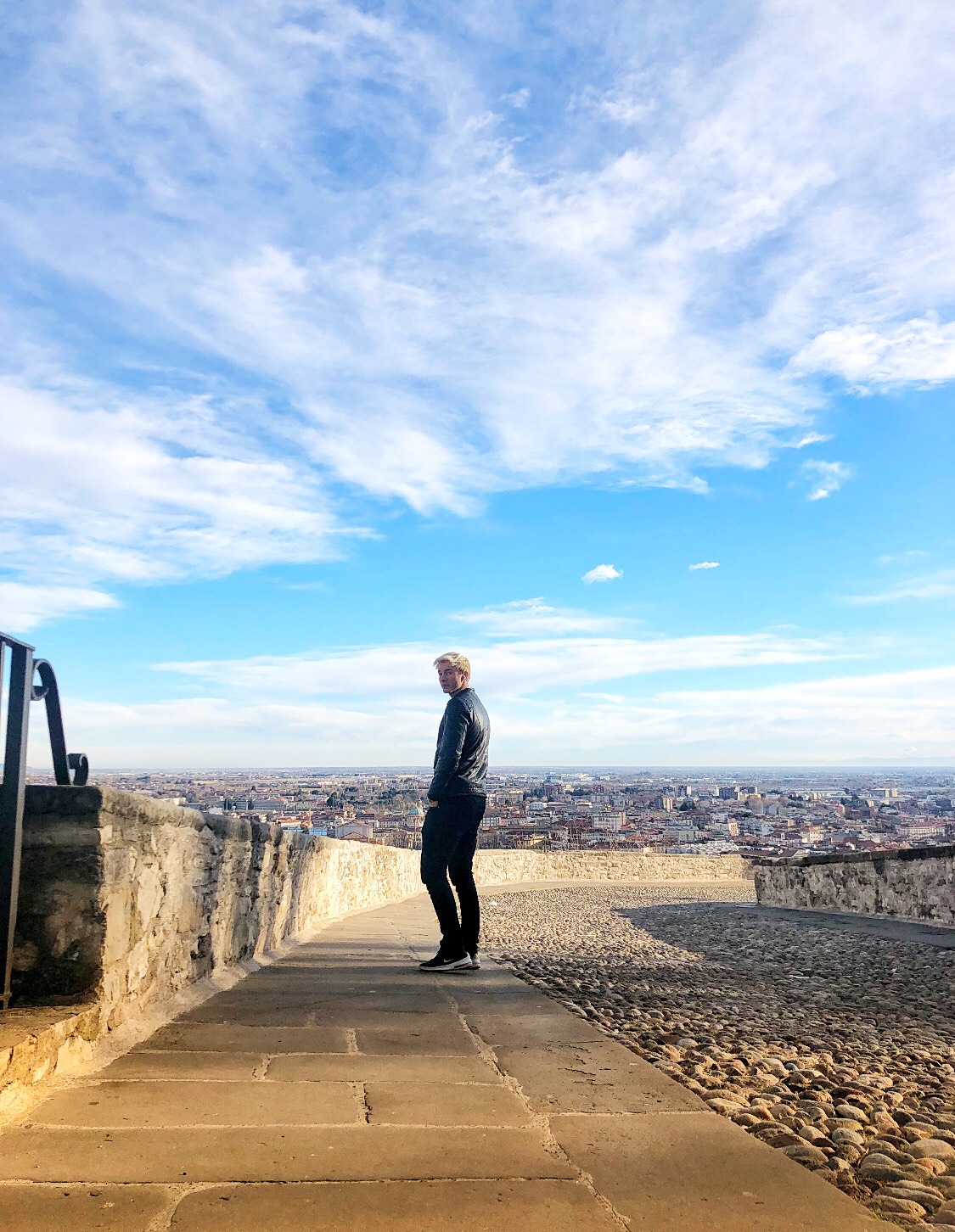
This is a short list of some of my favourite places in Milano, but of course there are so many other cool things to do. One thing I would strongly recommend to do is taking the train for a 40 minutes ride to Bergamo, where I went 3 times already. Bergamo is a picture-perfect city to the north-east of Milan. Beautiful old town and a great skyline view. Don’t miss that!
Bergamo, Italy
I hope you will enjoy Milano and Italy just as much as I did!
Unspoiled, Unexplored, Unbelievable. Visit the Faroe Islands and explore Europe’s best kept secret.
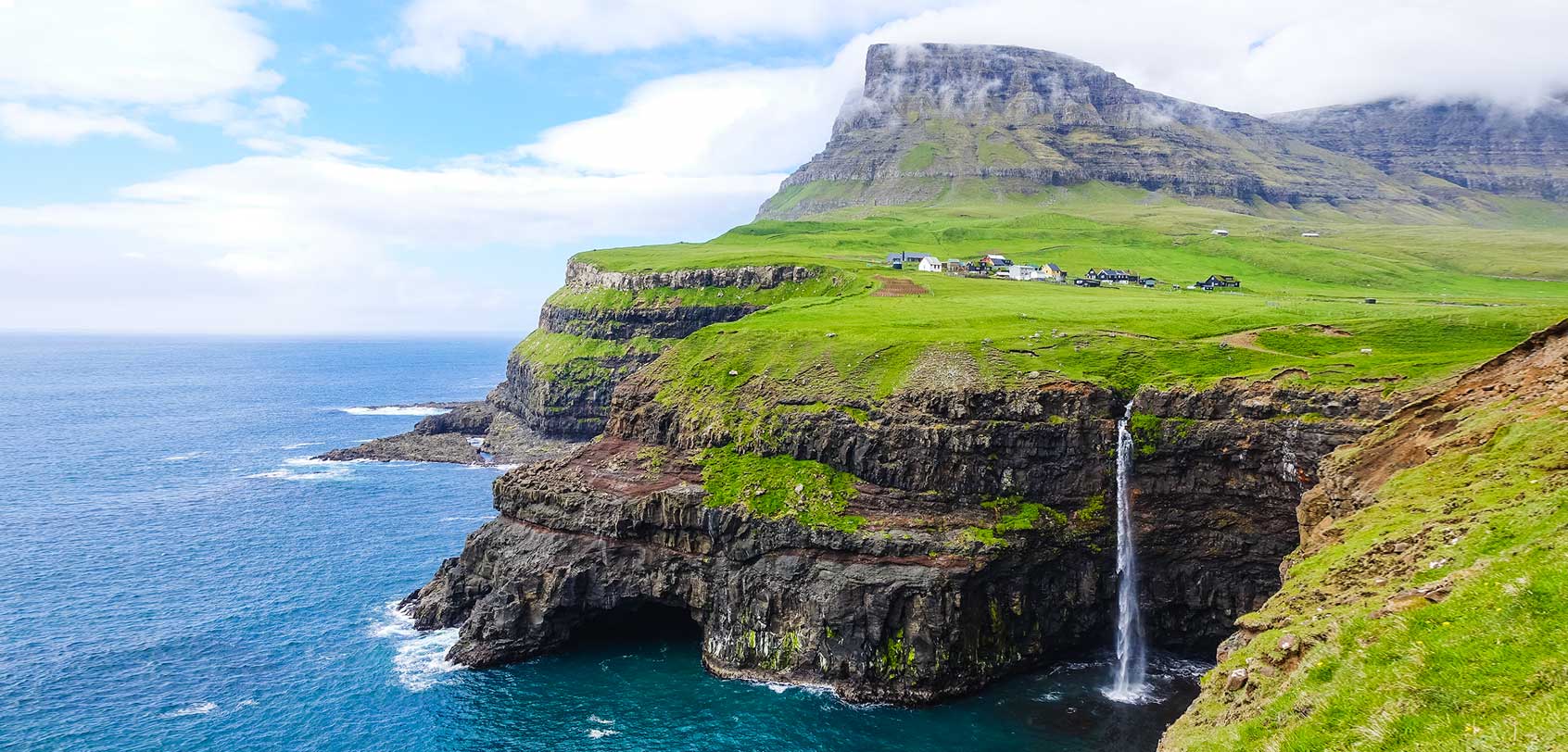
Gasadalur village is located in the west of Vagar Island and it’s a natural beauty that is tucked between lush green fields and soaring rocky mountains.
Yes, I might not be the the most objective person speaking about Faroe Islands, because my roots are from here, but I can assure you one thing, having been to nearly 100 countries; The landscape in the Faroe Islands is out of this World.
You’re stepping right into a fantasy tale. I have now been to the Faroe Islands 13 times, and when I come back here, there is still something that will draw my breath in awe, as I constantly question myself if I am still on planet Earth… Without a doubt, the landscapes in Faroe Islands are extremely majestic, and one of the islands’ true wonders would be the village of Gasadalur which is home to one of the most surreal waterfalls that exists in this world: Mulafossur.
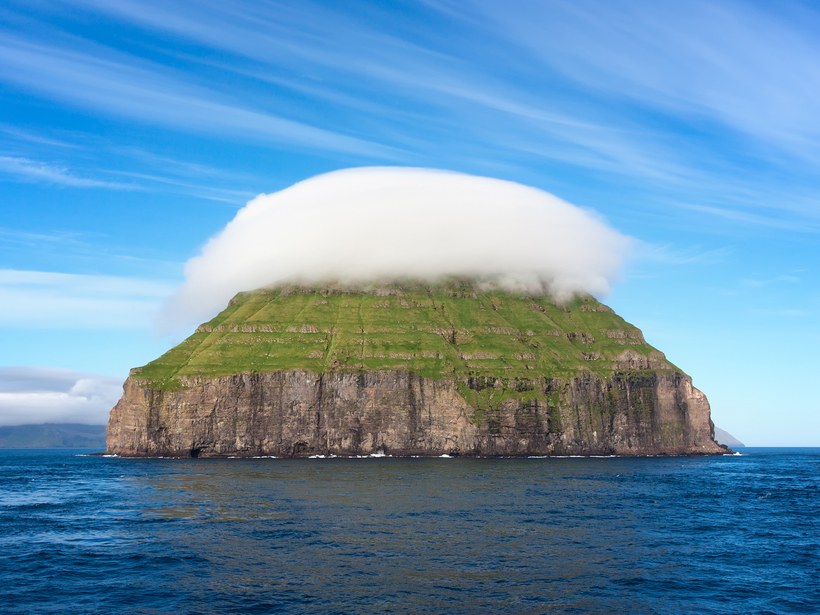
Lítla Dímun, population of zero, the smallest of the main 18 islands in Faroe Islands.
You don’t have to worry about crowds (yet).
The 18 Faroe Islands have a total population of around 50,000, and is still appealingly low on tourists compared to neighboring countries like Iceland, Norway and Denmark.
With both Atlantic Airways and SAS competing on the route between the Faroe Islands and Copenhagen, Denmark the prices of tickets have decreased and there has been an increased awareness on the Faroe Islands as a tourism-destination. You are still able to hike many places in Faroe Islands pretty much for yourself, which make the beauty of the country stand out even more.
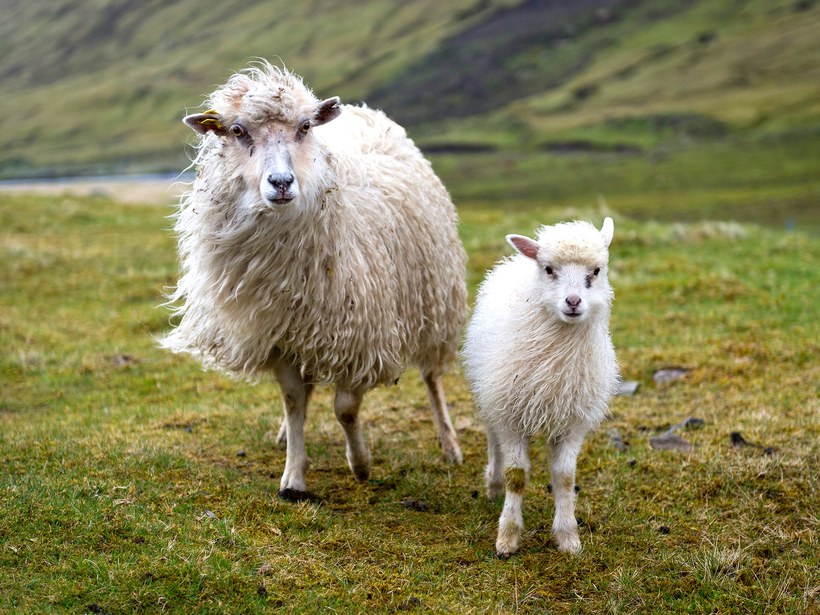
The Sheep Islands. The name Føroyar (Faroe Islands) literally means Sheep Islands.
In fact, sheep outnumber humans nearly 2:1.
The name Faroe Island originally means Sheep Island. And you can understand why. Over 70,000 sheep live here. That is more sheep than the entire population of the country. As you can see, sheep is an important part of the culture and history. They have always been a symbol of the Faroe Islands along with the national bird, the puffin.
The coziest capital city you’ll ever see.
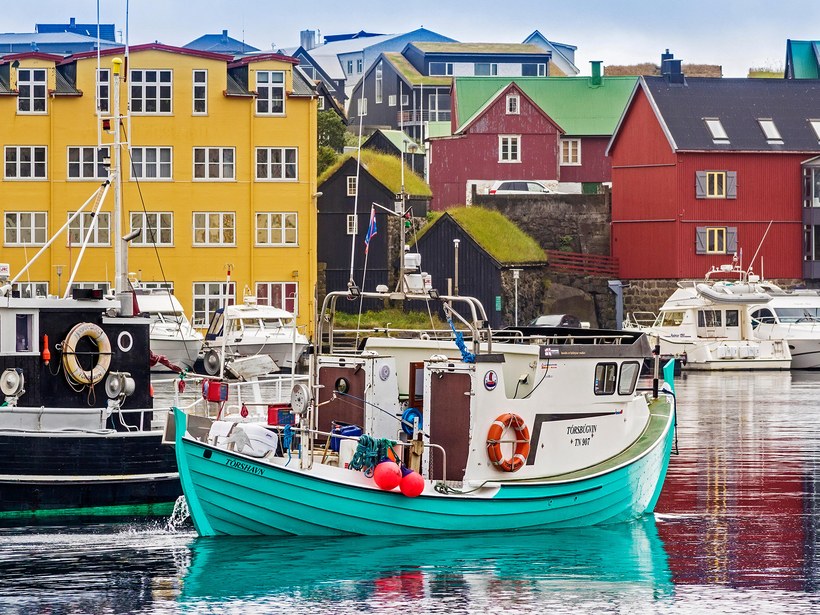
The capital of Tórshavn (pop. 20,885) is also the largest city on the Faroe Islands, settled behind a busy harbor on the east coast of Streymoy Island. Within the 66.8-square-mile city are eighteenth-century churches, a handful of museums, a tiny Old Town, and rows of brightly painted houses.
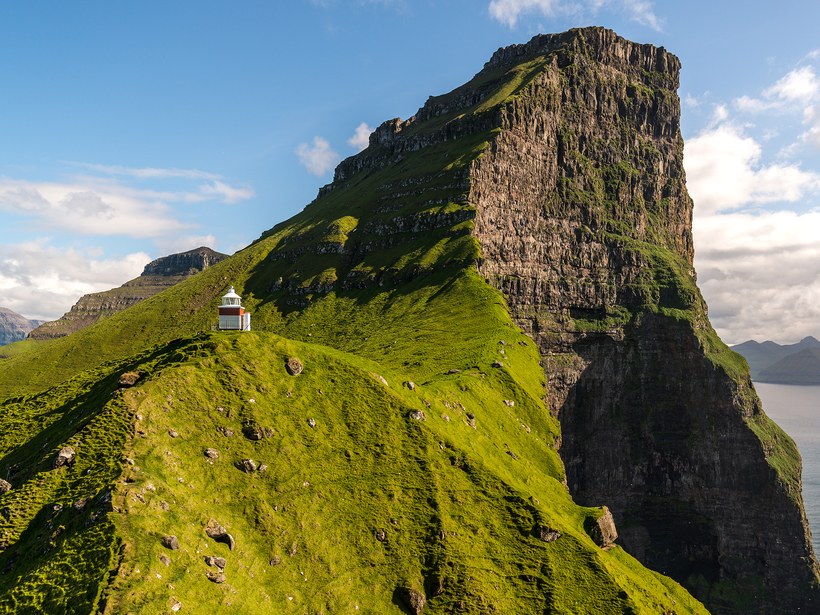
Kallur Lighthouse, Kalsoy
Epic hiking opportunities.
Take Kalsoy, for example, a long, slender island with verdant hills and vertical cliffs. The best way to enjoy the island is to hike to Kallur Lighthouse, which sits on a northern promontory and grants panoramic views of five other islands on clear days.
Best time to go to Faroe Islands
Remember high season is from June to August, summer in the Faroe Islands is a marked contrast to the rest of the year.
There’s daylight for up to 22 hours, and locals pour into the streets to enjoy food festivals, outdoor concerts and nature. Winters are usually dark, stormy and cosy.
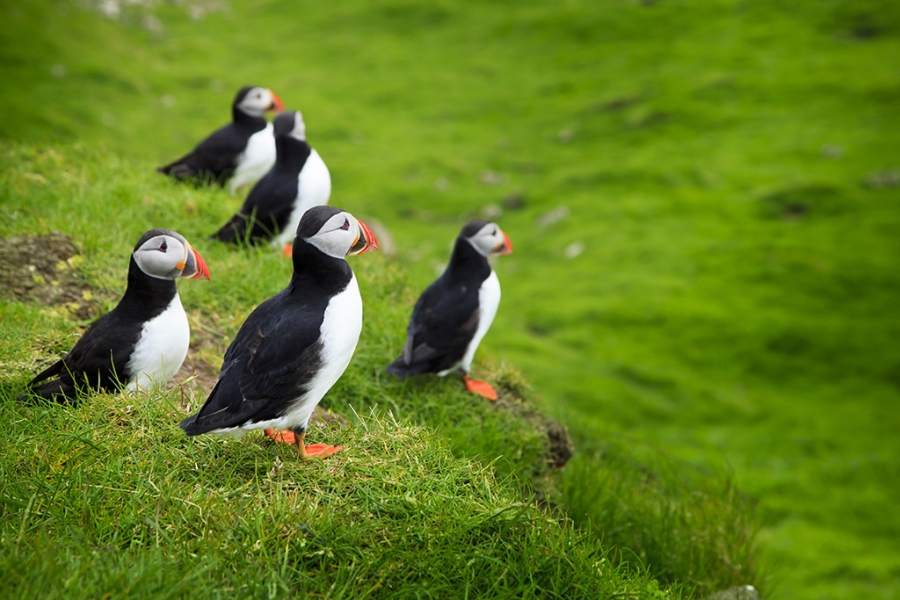
There are many puffins to see – around 10 times as many as there are humans.
Did you know?
There are a total of three traffic lights in the Faroe Islands – all located in Tórshavn. The population of the Faroe Islands consists of 80 different nationalities and there are only two international fast-food outlets in the Faroe Islands: Burger King and Sunset Boulevard.
Helpful Faroese phrases from me to you
Hello: Halló (hahloh)
Thank you: Takk fyri (Takk fi-reh) or Takk (Takk)
Yes: Ja (Ya)
No: Nei (Ney)
Goodbye: Farvæl (Far-vyel)
I’m sorry: Orsakið meg (Or-sha-kee mey) Excuse me (getting attention): Orsaka (Or-sha-ka) Excuse me (begging pardon): Umskylda (Um-shil-da) How much does that cost?: Hvat kostar tað? (Kvat kost-ar tay?) Is there someone here who speaks English?: Dugir nakar her eingilskt? (Du-cheer nak-ar her ain-gilsk?) Help!: Hjálp! (Yolp!) Cheers!: Skál! (Is-kol!)
Chilling in the little village Funningur, Faroe Islands
Do you want to learn the BEST and most helpful Faroese phrases then click here.
Are you ready to go to Faroe Islands now? I hope to see you there next time!
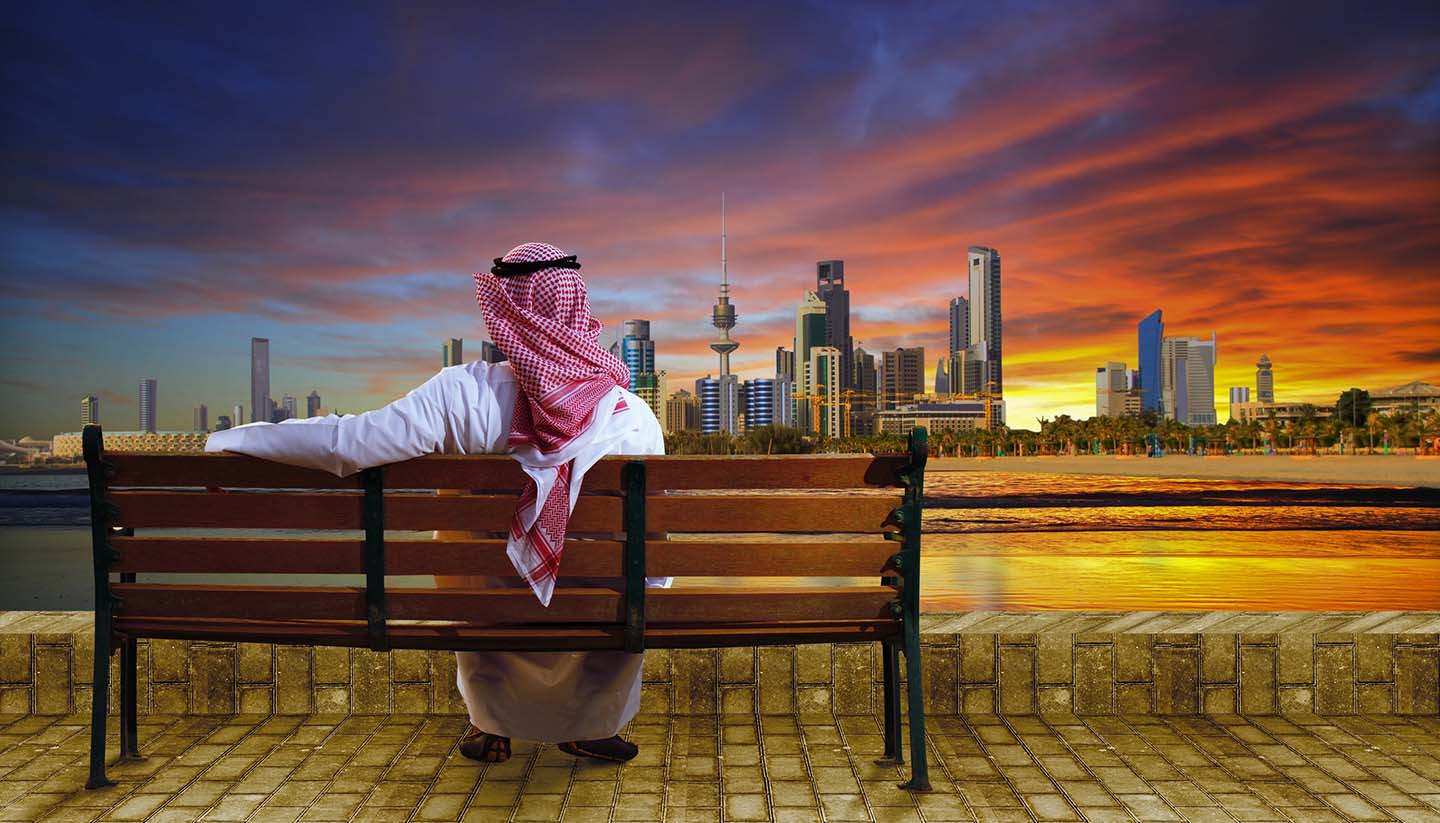
Kuwait is a Muslim country and while not as conservative as many of its Gulf neighbours, you should behave and dress in a respectful way.
You have to respect local traditions, customs, laws and religions at all times and be aware of your actions to ensure that you do not offend other cultures or religious beliefs, especially during the holy month of Ramadan or if you intend to visit religious areas.
Don’t Do’s In Kuwait
The following are illegal in Kuwait:
Homosexual acts
Importation and use of alcohol
Importation and use of pork products
Pornography
Drink driving
In terms of dress code, Kuwait is fairly relaxed, however, to avoid unnecessary attention women should not wear short skirts, sleeveless shirts or low necklines. Bikinis are fine at the hotel pool, but not on public beaches.
The Emir of Kuwait is venerated. Prison terms of up to seven years can be imposed for challenging the authority of the Emir or insulting him – whether by speech, writing, drawing or any other means of expression.
Taking photographs of or near government buildings or other infrastructure, including oil fields, can lead to detention. It is also forbidden to take photographs at some shopping centres.
Alcohol is totally prohibited in Kuwait. It may not be imported, manufactured or served. Some expat-geared restaurants offer “special” tea, but unlike neighbouring states; Bahrain, Qatar and UAE, alcohol cannot be even served at hotels or by permit holders.
So, apart from the ever present threat of terrorism and “abstract” drivers, Kuwait has to be one of the easiest and safest countries for travel in the Gulf region.
Climate of Kuwait
July in Kuwait was the hottest month ever recorded on the planet. The epicenter of the global heat wave was Kuwait, where the temperature in Mitribah hit 129.2 degrees, making it the hottest place on Earth. People in Kuwait will literally escape from their country in July and August, because the temperatures get extremely hot.
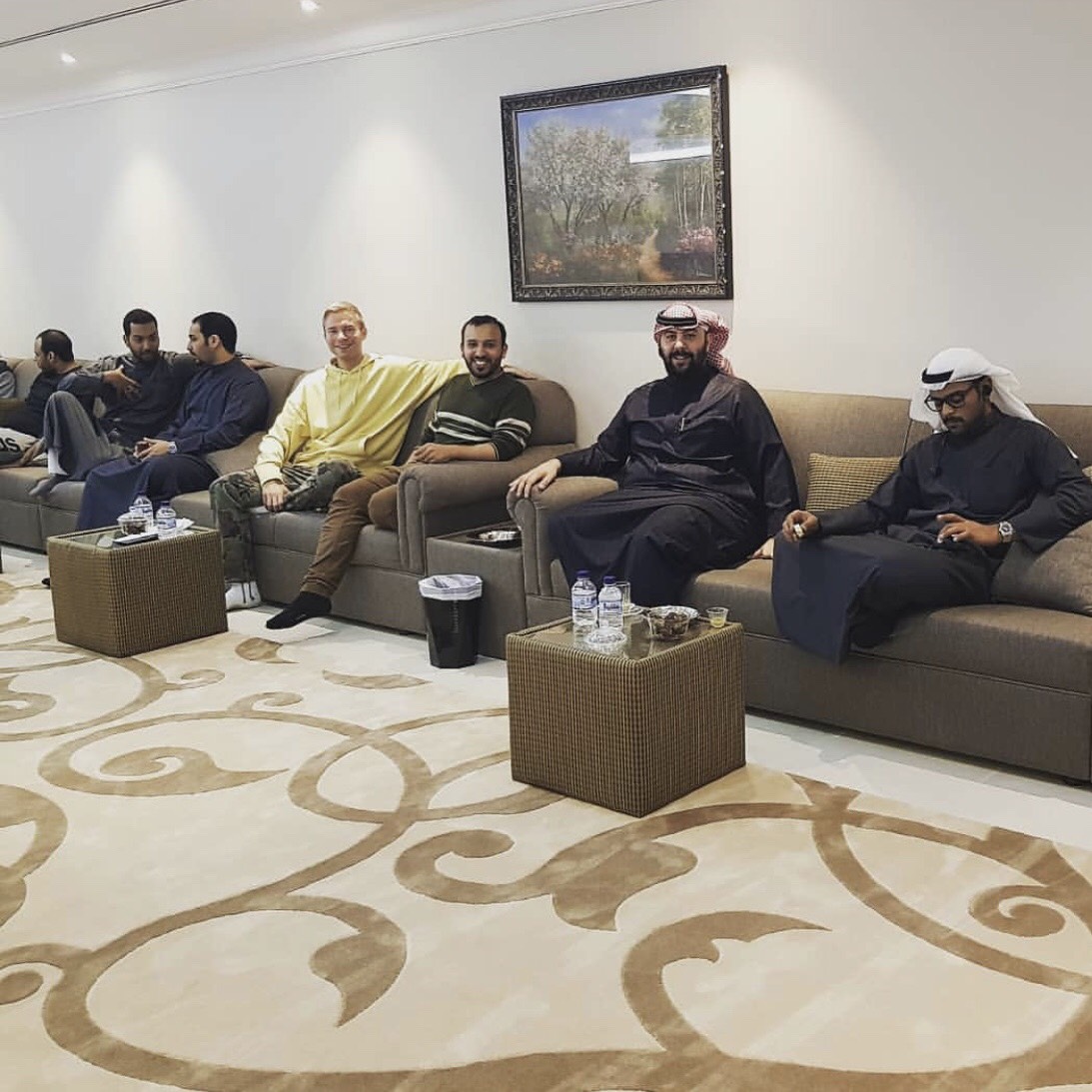
Having coffee with my Kuwaitian friend Mohammed and his friends in Kuwait City
The Kuwaitian People
I was shocked when reading that Kuwaitian people are among the most unfriendly people in the World, because it’s very far from my own experiences in Kuwait. I was invited for coffee more than 10 times and the Kuwaitian people were very curious about what brought me to Kuwait. My best advice dealing with the Kuwaitian people is to respect them and their culture and they will respect you back.
I will forever remember my Kuwaitian friend Mohammed, who made my stay in Kuwait absolutely unforgettable with hospitality rarely seen anywhere else.
Rich, safe and just about crime free Kuwait is a great entry point to the Muslim world of souks, mosques and that all important warm Arabian hospitality.
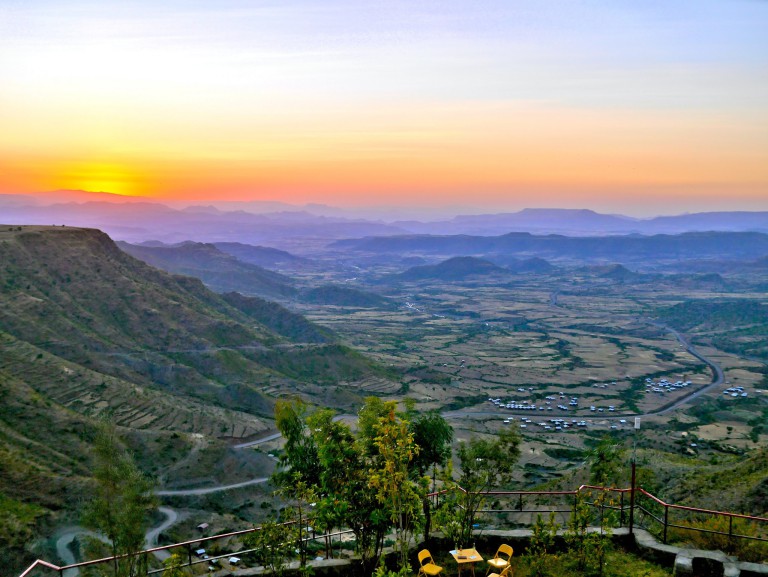
Arid plains, spectacular mountains, lush green areas, and vast lakes define Ethiopia’s scenic landscapes. The country boasts 70% of the mountains on the African continent. Whether you are in the Semien Mountains or the Danakil Depression, every corner of the country offers a view pleasant to the eyes.
2: Tasty food with extensive choices
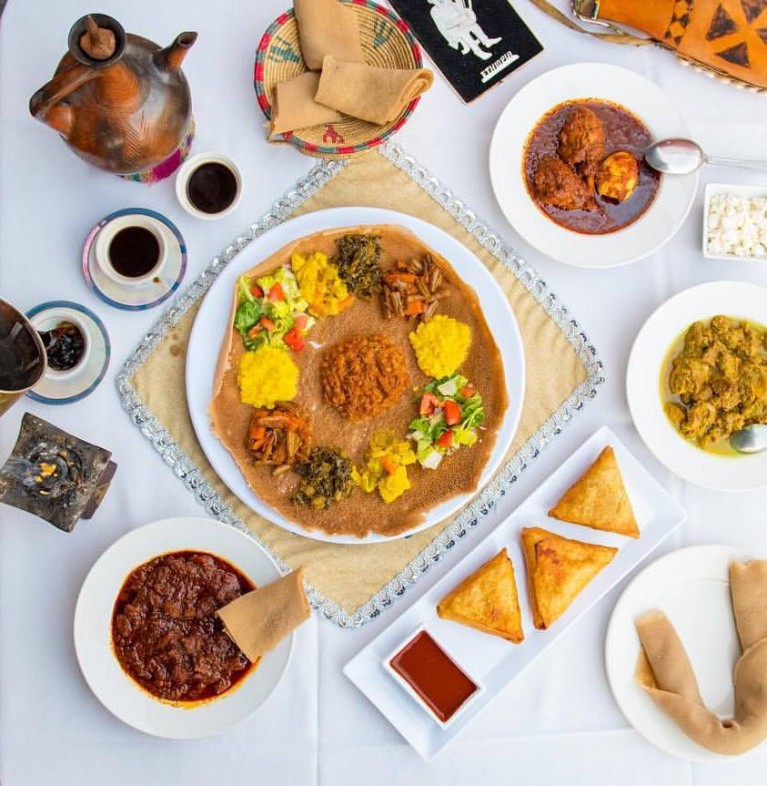
From the raw meat delicacy to an extensive vegetable dish, Ethiopia’s cuisine is as diverse as it is flavorful and one you should experience. Meals are usually served on a common platter to encourage dining together. Injera, the country’s staple food, makes a frequent appearance on the dining table. People eat using their right hand and use injera to scoop up food served alongside it.
3: You can go back in time
It’s still 2011 in Ethiopia! The Ethiopian calendar follows the ancient Coptic calendar, which makes it fall seven to eight years behind the Gregorian calendar. The difference in the two calendars comes in the calculations to determine the Annunciation date of the birth of Jesus Christ.
4: Home to over 80 ethnic groups
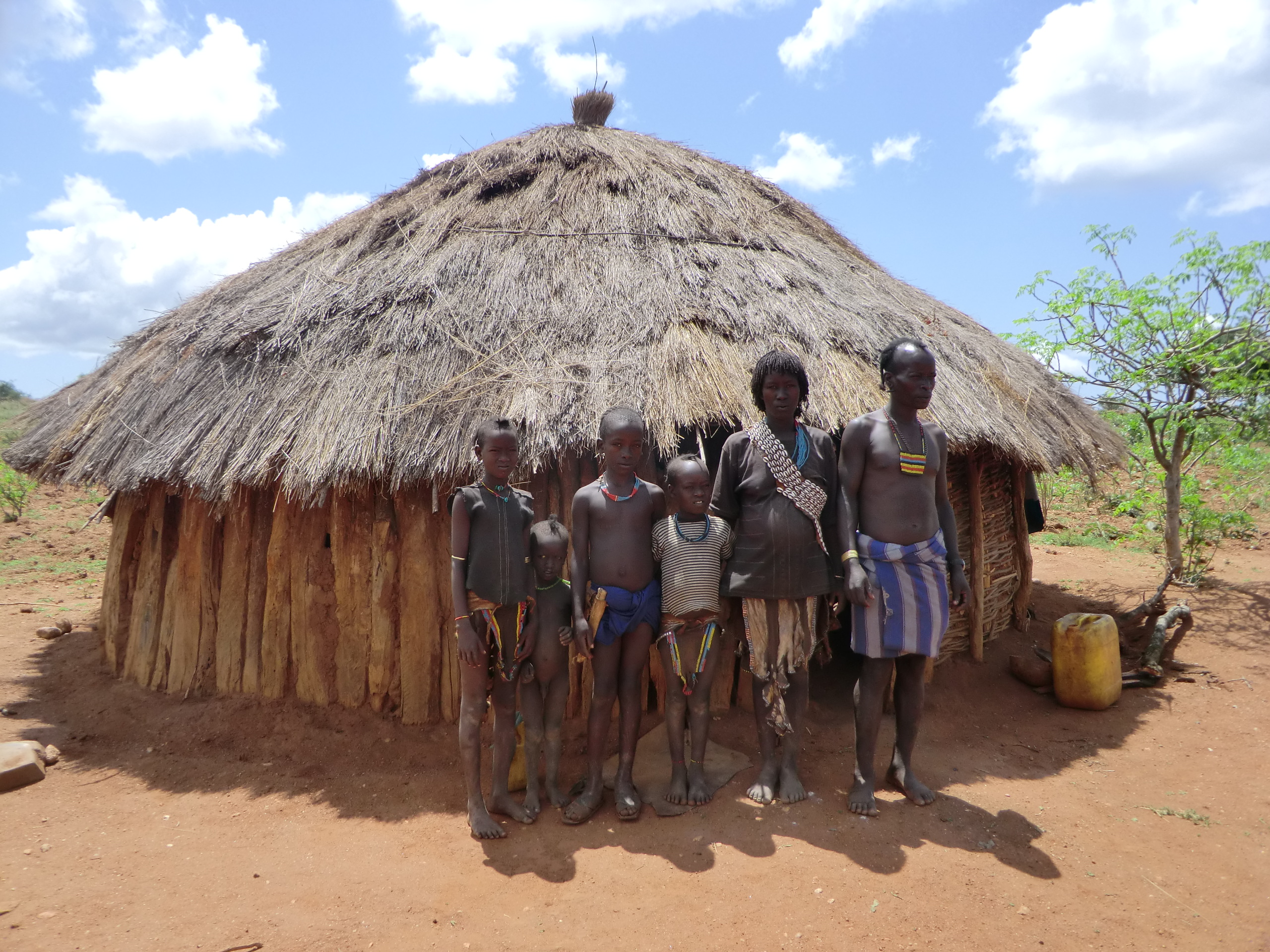
Ethiopia is a melting pot of different cultures, with over 80 ethnic groups and languages spoken. After a look at the different traditions, you will hardly feel like you have visited just one country. The Hamer Tribe, the Banna tribe, the Mursi people, and tribes of the Omo valley are a few of the many ethnic groups with spectacular, traditional ways of living. Staying with the Banna tribe was an experience of a life-time!
5. The Wildlife
Ethiopia, as well as having beautiful scenery, also has beautiful wildlife. Ethiopia has many national parks, such as Awash National Park, Abijatta Shalla Lakes National Park, Mago National Park, and more. These parks, along with the lakes of the Great Rift Valley, are home to rare species of birds and animals, such as the Mountain Nyala, the African antelope, the Walia Ibex, the mountain horned goats, and the Ethiopian wolf.
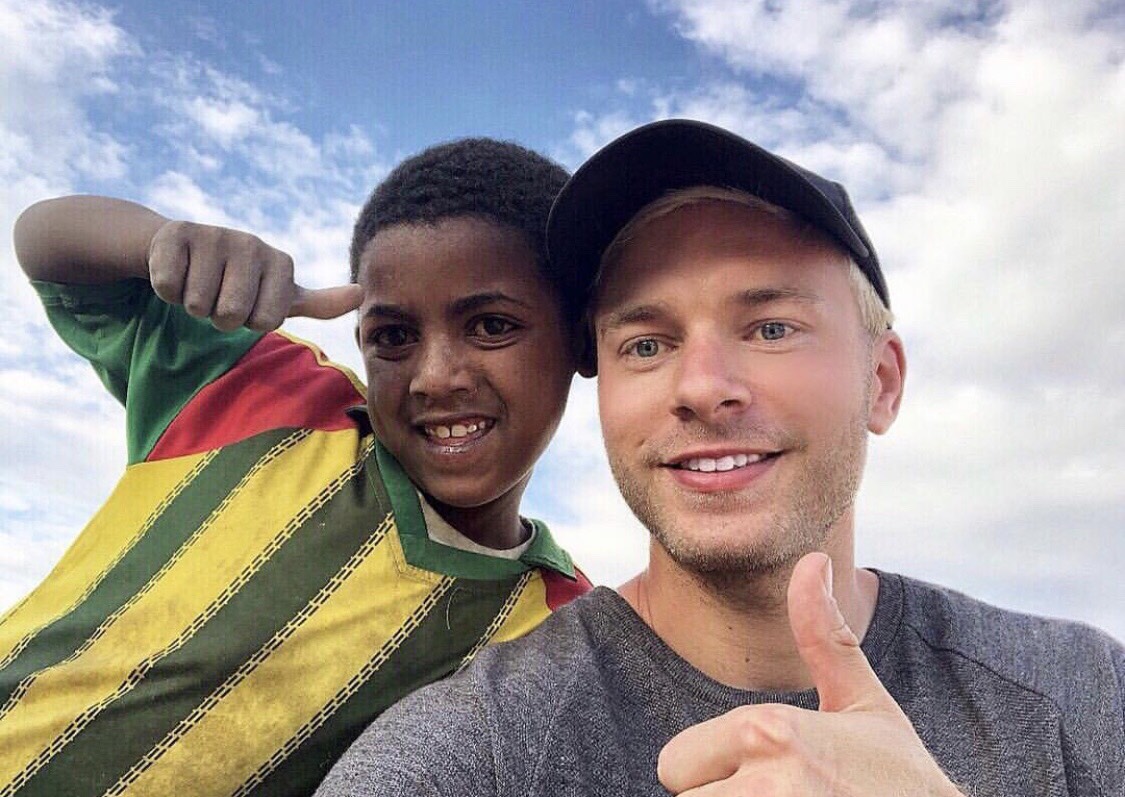
Gustav in the surburbs of Addis Ababa, Ethiopia
Compared with many African countries, Ethiopia is remarkably safe – most of the time. Serious or violent crime is rare; against travellers it’s extremely rare. Outside the capital, the risk of petty crime drops still further. So, as much as it is safe to travel around Ethiopia, you need to realise that sometimes not-so-nice situations may happen – as they can and do happen in any city in the world. Just be ready for them, so you’re not disappointed.
I really enjoyed my 10 days in Ethiopia. Hopefully not my last time here.
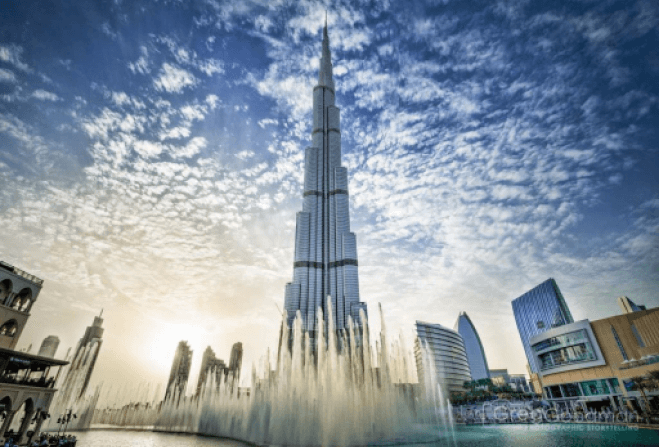
Burj Khalifa gained the official title of “Tallest Building in the World” at its opening on January 9, 2010 with a total height of 830 m. Dubai’s most known claim to fame.
There are three different observation levels open to the public. The first two are part of the misleadingly named At The Top, which includes floors 124 and 125 at 452m (not actually at the top, but just over half way up the building). Then there’s luxury lounge, SKY, on level 148, which sits at a height of 555m.
It costs 50USD for access to At The Top during peak hours, and you can pretty much spend as long as you like up there. Hefty pricetag sure – but it’s the tallest building in the whooooole world. A ticket for SKY (which costs a princely 140USD for just 30 minutes) will also get you into At The Top.
In my opinion is At The Top-ticket fine, view is pretty much the same! You can book in advance to ensure you get the best time, and if you’re banking on seeing sunset, book at least 90 minutes before to get the most out of it.
Remember: You won’t actually make it to the very top of Burj Khalifa, as there are expensive luxury apartments up there and the owners like some privacy. Still the view of Dubai from top is epic!
2. The Fountains
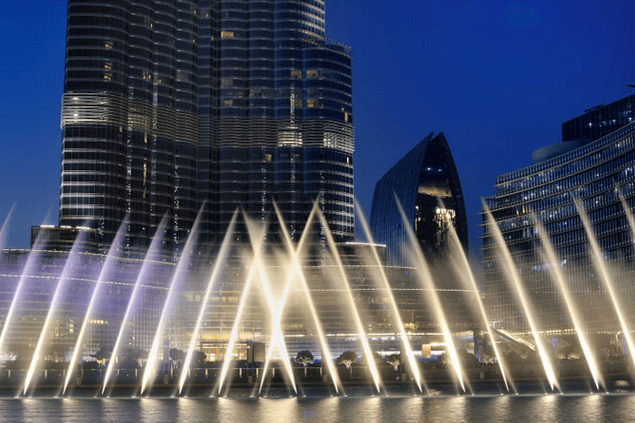
A nice follow up to the pricey Burj Khalifa is the lazer/light/water show at the bottom of the building. Every night from six PM, they show an amazing combination with the fountains every half an hour – oh, and it’s free.
3. Desert Safari
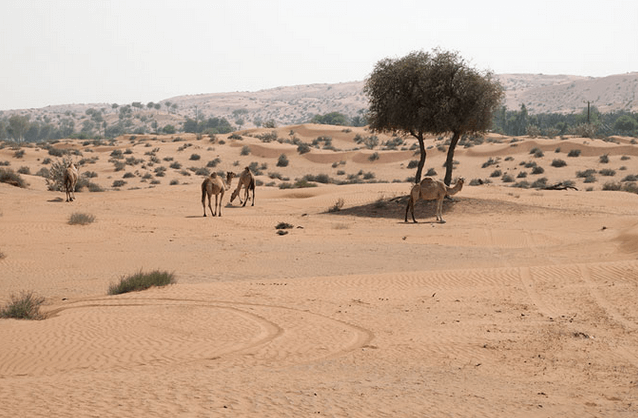
It’s the middle-east folks, and for most visitors here it’s the only middle eastern country they’ll likely visit, so it’s the main chance to hang with the nomadic Bedouin tribe, ride over sand dunes in a Range Rover, sleep in a tent in the desert and see the most amazing night sky imaginable. You don’t want to miss that!
4. Ski Dubai
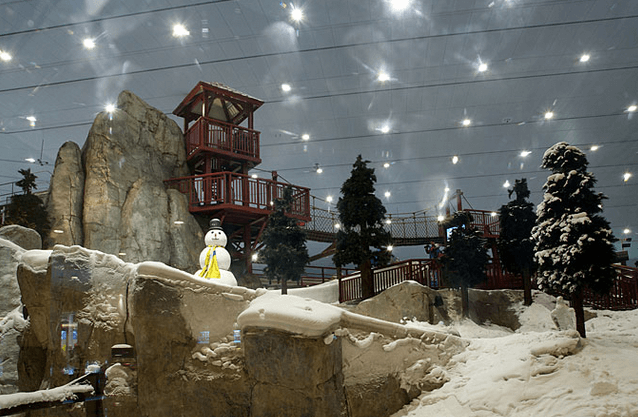
Skiing is possible in the Middle East, and yes it’s awesome, and yes it’s pretty expensive, like most tourist attractions here. You can hire literally everything you need, so turn up in your shorts and flip-flops yet within thirty minutes you’ll be on the slopes. Pretty impressive Dubai, well played.
5. Burj Al-Arab
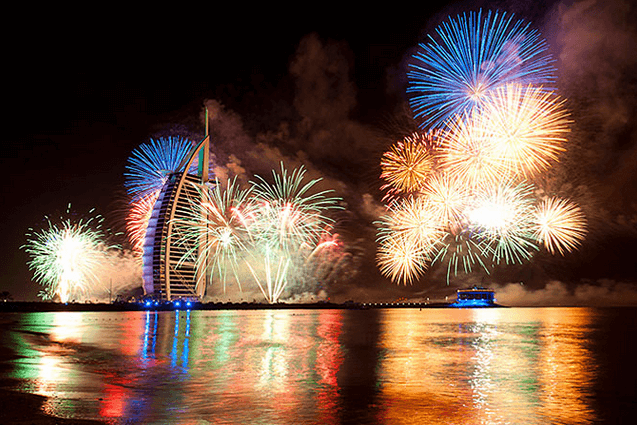
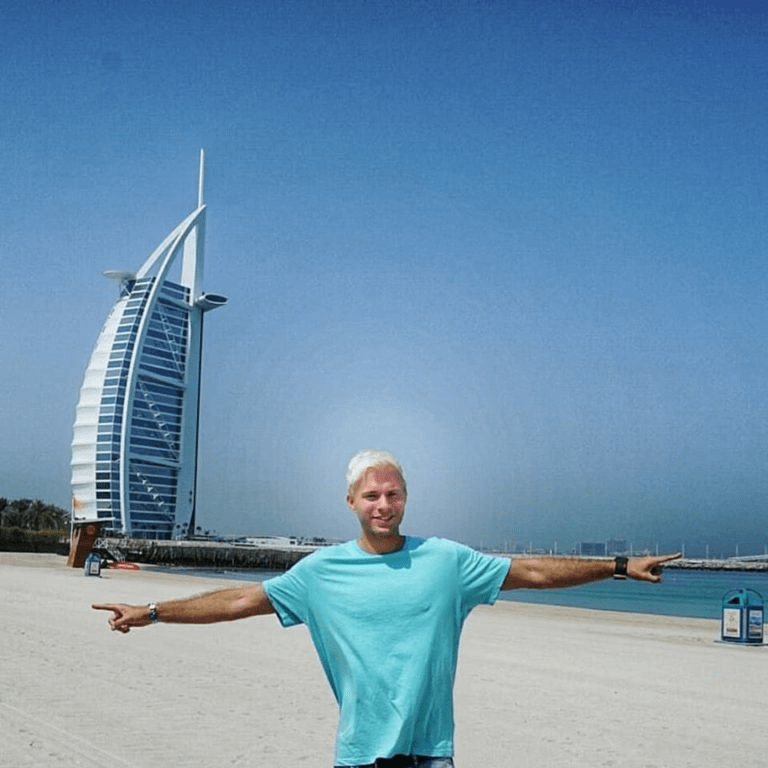
Dubai’s first iconic building has been bumped down the list since the Burj Khalifa opened, but still the gorgeous curves and the islamic-inspired architecture of one of the World’s only 7 star-hotels is still something amazing to marvel at. There are a lot of cocktail bars, where you can gaze out on the Burj, as it changes colour throughout the night, beautiful.
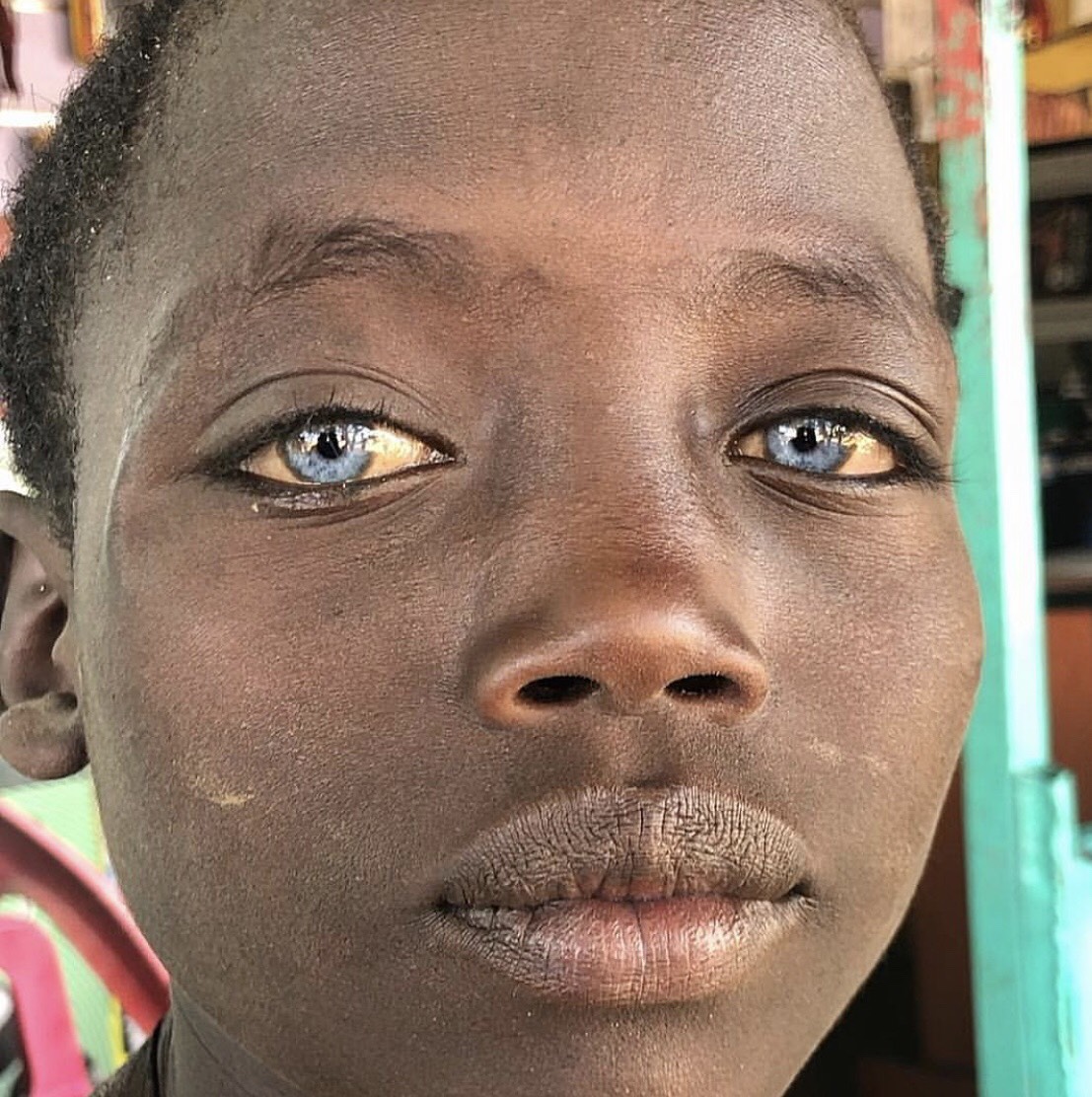
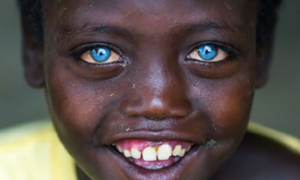
Africa has many stories to be told and today I’ll be telling you just one of them about Abushe, the Boy with the Blue Eyes, from Jinka, Southern Ethiopia, whom I met by a strange incident on my travel!
You probably have never even seen an African with blue eyes. Me neither actually, until that day I went for a walk with my local friend Abraham in the center of Jinka, Ethiopia. Abraham spoke to me the night before about a boy, he had taken care of for 3 years, making sure he went to school and had food to eat. I told Abraham it was an incredible gesture of him, since Abraham was only 20 years old, and I told him I would like to meet that boy.
I had no idea that I was going to meet Abushe.
Abushe’s wondrous blue eyes stem from a condition called Waardenburgh syndrome. Only 1/300,000 babies are born with this rare genetic condition which changes the pigmentation of the eyes. He had blue eyes like I’ve never seen before in my life! They were like two tiny planets, with the friendliest face to go with them.
Abushe is a 10 year old kid living on the streets of Jinka, who lost his father in an early age. Abushe’s mother lived far outside of the city, and couldn’t afford the bus ticket for Abushe to school, so he stayed with his grandmother, and depended on her and Abraham. All he had for clothing was the red tank top he was wearing, nothing else at all. Some people in Jinka told me he was an outcast because of his eyes. “If it is not normal, it is evil” is something a lot of cultures think, hence why poor Abushe has been cast out.
I told Abraham this: “Tell Abushe that no matter what anyone says about his eyes, or about him being abnormal, he should always remember that he is really special and his eyes are a gift.”
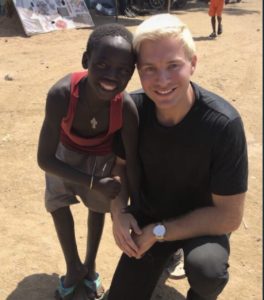
Abushe and Gustav in the streets of Jinka
For the 3 days I was with Abraham and Abushe, we had a great time, and I will remember the laughs we shared, and I especially remember one episode when I had a 10 birr (Ethiopian money, like 0,30 dollars) falling out of my pocket, and Abushe took my arm and said: “Mr Gustava, you have big money falling out of your pocket,” with a smile to me. That hit my heart. Such a humble kid and so mature for such a young boy! Everyone could learn a lesson from his positive outlook on life. His grandmother viewed his rare syndrome as a “gift from God.”
Me too.
Good news is that Abraham told me a sponsor family was now trying to adopt Abushe and get him to Paris, France. I genuinely hope the best for this kid.
I’ll forever remember The Boy with the Blue Eyes!
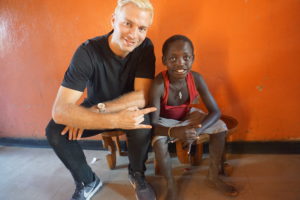
I asked Abushe which hand sign we would do for the picture, and he had no doubts!
Planning a trip to Central Asia?! These are the 3 things, I WISH I KNEW before travelling Central Asia. Central Asia is a diverse region that is highly undervisited, and these are the basics to know!
1. The People.
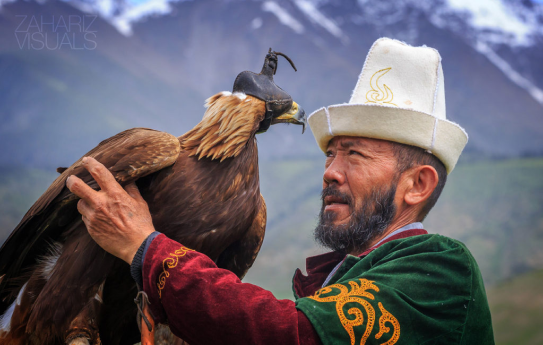
In this part of the World there is an interesting melting pot of people and ethnicities! You may be in Tajikistan, but find yourself looking at someone with green eyes, light skin and a thin nose. Tajiks are actually descendents from the Aryan people, meaning they are closely related to Iranians/Persians. Regardless of whether the people look Asian, Persian, European or Arabic, everyone is extremely warm and welcoming here. Most people are very interested in foreigners, as they don’t see too many of us. So you will have 95% genuine interactions, which is pretty rare from what I’ve experienced around the World. Just make sure to learn a bit of Russian, or use a translate app, so you will be able to communicate a few key sentences with your new friends.
2. The Mountains
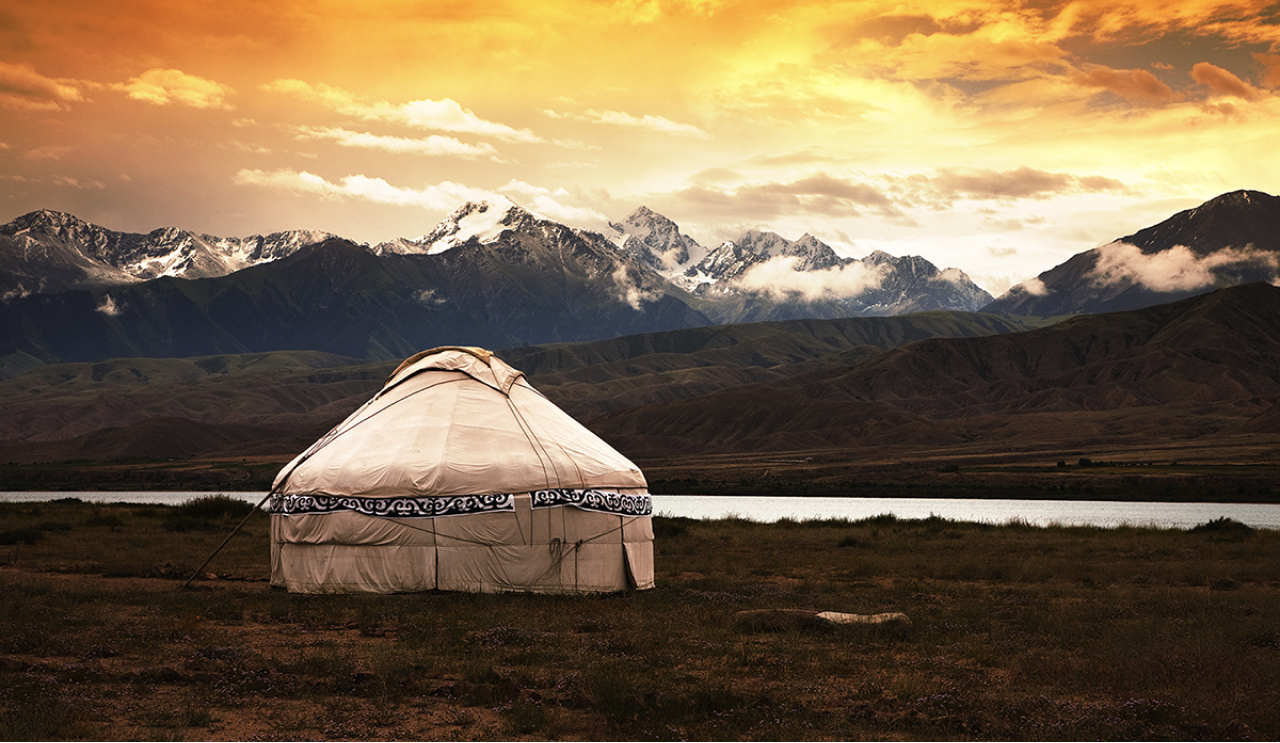
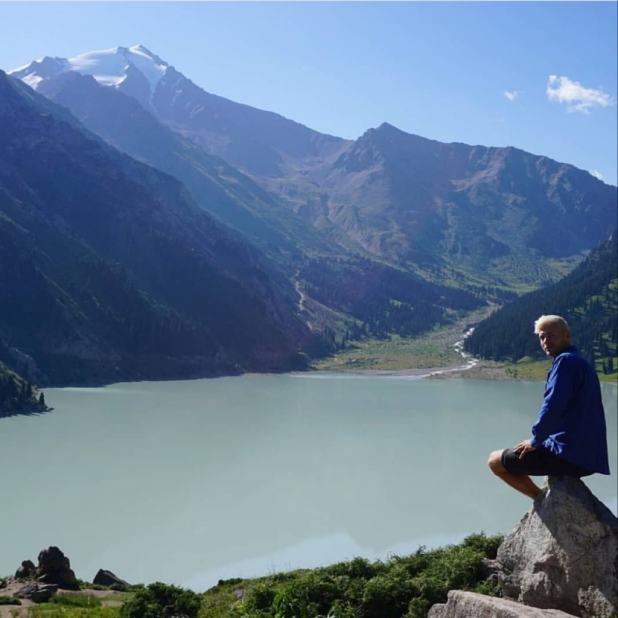
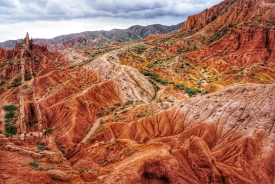
Central Asia is a hiker’s paradise. The towering mountains in the Central Asian region are some of the highest in the world. The Pamir Mountains are formed by the meeting of the Himalayas with the Tian Shan, Karakoram, Kunlun and the Hindu Kush ranges. These massive, snow-capped peaks are commonly referred to as “The Roof of The World”. Mountain ranges cover more than 90% of Kyrgyzstan and Tajikistan, so if you like hiking, you’re at the right spot. Furthermore you can maybe spot some interesting wildlife on the way (like the Marco Polo Sheep, and if you’re very lucky, a snow leopard). Btw. the snow leopard is supposed to be the least aggressive to humans of all big cats, so don’t worry
Big Almaty Lake, Kazakhstan
3. The Perfect Time
Central Asia is slowly starting to become noticed by travellers. Kyrgyzstan has already eased visa restrictions and has set up homestay and adventure programs, making it fairly simple for you to visit and experience the country. There’s just enough tourism infrastructure in the region at the moment, yet it retains it’s authenticity and still feels like an epic place to travel. Currently there are only a handful of tourists travelling here, however, things are definitely picking up and in a few years (I predict) this part of the World will be swarming with backpackers and travellers all wanting a piece of The Stans. Now is the right time to go. Gustav
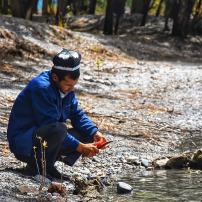
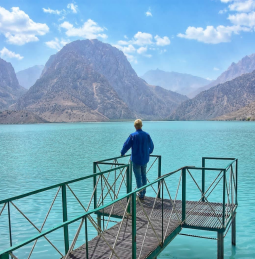
Cutting tomatoes by the lake in Iskanderkul, Tajikistan